

TL;DR:
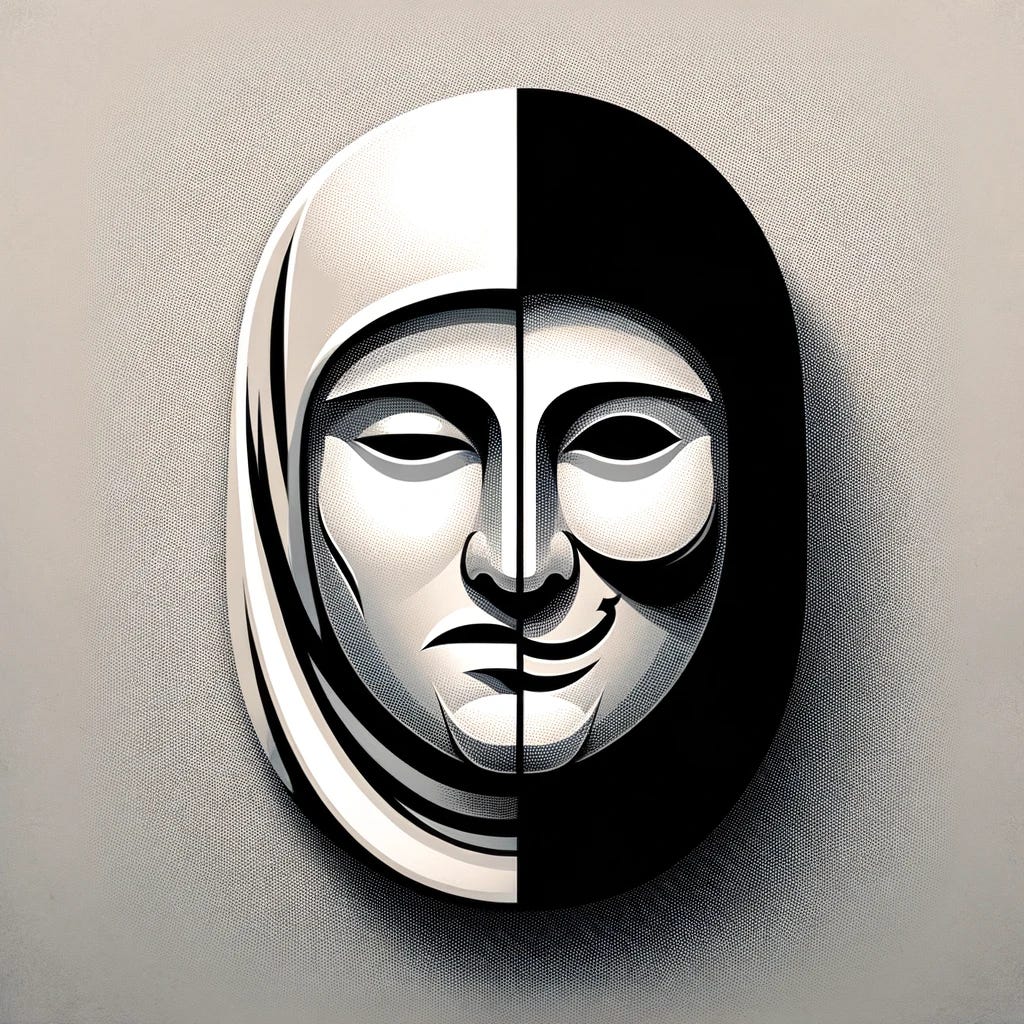
On Day 27 of Be Quranic, we study ayahs 14 and 15 of Surat al-Baqarah, highlighting the hypocritical behaviour of Munafiqin (hypocrites) who waver in their stance, aligning with believers or disbelievers based on convenience.
These verses underscore the notion of 'shaytan' as not just a creature but a role associated with promoting evil.
The concept of Istidraj is introduced, illustrating how material success is not indicative of Allah's favour, but rather a test of character.
True divine love and success are not measured by worldly wealth but by steadfastness on Sirat al-Mustaqim, the straight path, and our response to life's tests.
This is an AI generated transcript. You can watch the video on Instagram or Tiktok, or listen to it on Spotify.
Welcome to Day 27 of Be Quranic, where we take short passages from the Quran daily, extract practical lessons from them, and apply them to our lives to be more Quranic.
InshaAllah, today we continue our study of Surat al-Baqarah, covering ayahs 14 and 15. "And when they meet those who believe, they say, 'We believe'; but when they are alone with their evil ones, they say, 'Indeed, we are with you; we were only mockers.'" The trait of the hypocrites in this ayah is their lack of a clear stance. They are neither with the Muslims nor with the Quraysh, changing sides based on circumstances.
Allah uses the phrase 'returning to their shaytan', highlighting that in the Quran, 'shaytan' is not just a creature but a job description. Anyone who encourages evil or beautifies evil acts is a shaytan, which can be a human being or a jinn. The Munafiqin, or hypocrites, encourage each other to do bad things and claim they're only mocking the Muslims when alone.
Allah's response is that He is the one mocking them, and He sometimes allows people to continue in disobedience, a concept called Istidraj. Material success, like Fir'aun's, is not a sign of Allah's love or blessings. Life is a test of wealth and poverty, with success measured by our response to these tests. Gratitude in wealth and patience in poverty are what Allah seeks from us.
We learn from the prophets that material success does not equate to being beloved by Allah. We must strive for a balanced life ('afia) and understand that challenges are not a sign of Allah's displeasure. Similarly, wealth and luxury are not signs of His favour but are tests of our character.
The term 'ya'amahoon' in the ayah represents a sudden yank at the end of a long lead, symbolising how Allah lets some evil people run free before suddenly stopping them. This highlights that Allah grants us what we work towards – iman, kufr, or nifak (hypocrisy).
The takeaway lesson is that life is a test and material success is not a yardstick of truth and falsehood. True success is staying true to Sirat al-Mustaqim, the straight path, regardless of material success. The love of Allah is measured by our adherence to this path, not by worldly riches or poverty.