

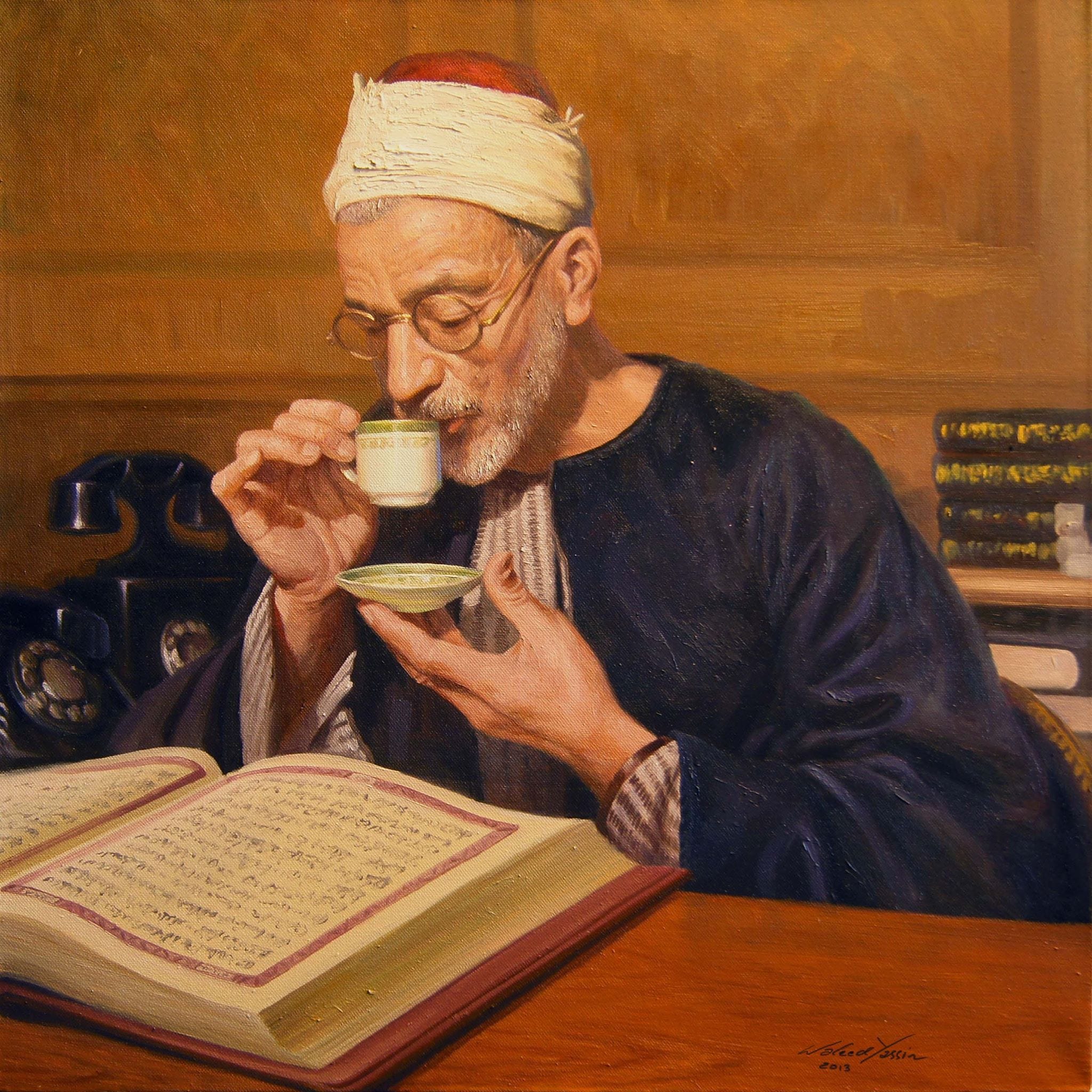
Our Quest today is to set aside 15 minutes a day with the Quran. 10 minutes to recite it in Arabic. 5 minutes to read the translation and reflect upon its lessons.
This is an AI generated transcript. You can watch the video on Instagram or Tiktok, or listen to it on Spotify.
Welcome to day 16 of Be Quranic, where we take short passages from the Quran every day, extract practical lessons from them, and apply these into our lives to be more Quranic.
Insha'Allah, today we continue our exploration of the second ayah of Surat al-Baqarah: "That is the book in which there is no doubt, guidance for the people of Taqwa." Yesterday, we explored how this ayah is an answer to our dua in Surat al-Fatiha for guidance through the straight path.
We asked for guidance in Surat al-Fatiha, and Allah tells us immediately in the second ayah of the next Surah that if you want guidance, you find it in the Quran. Today, we look into the phrase, "La Rayba Fihi," meaning there is no doubt in it.
Interestingly, the Quran is the only scripture of all major religions in the world that has remained unaltered, a fact agreed upon academically, not just spiritually, by both Muslim and non-Muslim scholars. It is the same book recited by Prophet Muhammad and his earliest companions, all the way until today.
In contrast, for example, the scriptures present during the times of Jesus Christ and Prophet Musa weren't the same as those known today. But for Muslims, it's clear that Prophet Muhammad recited the same Quran that we recite today, without any doubt that this is the same guidance present during his time.
What's even more amazing is that not only are the words preserved, but the way they are recited is also preserved. We understand, for example, how the Prophet pronounced each Arabic alphabet and the tempo of his recitation, even if the specific names for the rules of Tajweed like 'Madd' and 'Gunna' were not coined then.
The oldest fragments of the Quran, like the Birmingham Quran, carbon-dated to the time of the Prophet, are identical to the Quran we have today, despite the absence of dots and vowel markers.
The Quran declares itself as "Hudan lil-muttaqin" - guidance for the people of Taqwa. But how do we interact with this Book of Allah? Is merely reciting it in Arabic sufficient, or should we also read it in a language we understand?
Our relationship with the Quran, as explained in the Quran itself, comprises four stages: Tilawa (recitation), Tazkiyah (purification), Ta'lim (learning), and Hikmah (wisdom). Tilawa involves following the Prophet's recitation closely, while Tazkiyah refers to the spiritual purification that comes from reading the Quran in Arabic. Ta'lim is about understanding the Quran, ideally in Arabic, but also in any language we comprehend. Finally, Hikmah is about applying the Quran's teachings in our daily lives, as elucidated by Imam Malik.
Our quest today, as suggested by the renowned scholar Habib Kadhim As-Saggaf, is to dedicate 15 minutes daily to the Quran: 10 minutes for reading in Arabic, and five minutes for reading a translation and reflecting on how to apply its lessons. This small commitment, just 15 minutes out of our day, can significantly enhance our relationship with the Quran. See you tomorrow.